
Humanoid Robots For Mining
Humanoid robots are beginning to change how mining operations are run. At Persona AI, we’re building industrial humanoid robots engineered for the demands of mining – performing equipment inspection, maintenance, and material handling in some of the world’s harshest environments. These are not factory machines. They’re built to climb, balance, and work safely alongside people across underground shafts, processing zones, and remote surface sites.
The Next Step in Mining Operations
- The Automation Gap in Real Mining Conditions
- Human Limits in Deep and Dangerous Environments
- Workflow Integration and Site Compatibility in Mines
Why Traditional Robotics Can’t Adapt to the Build Site
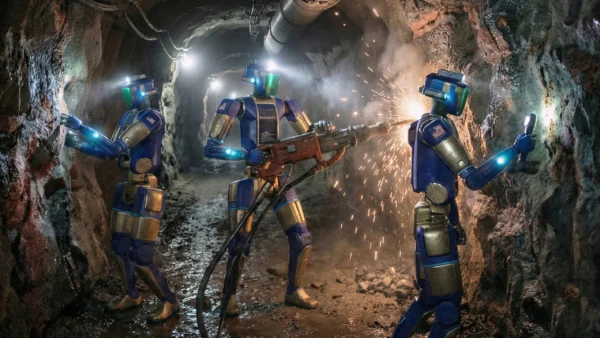
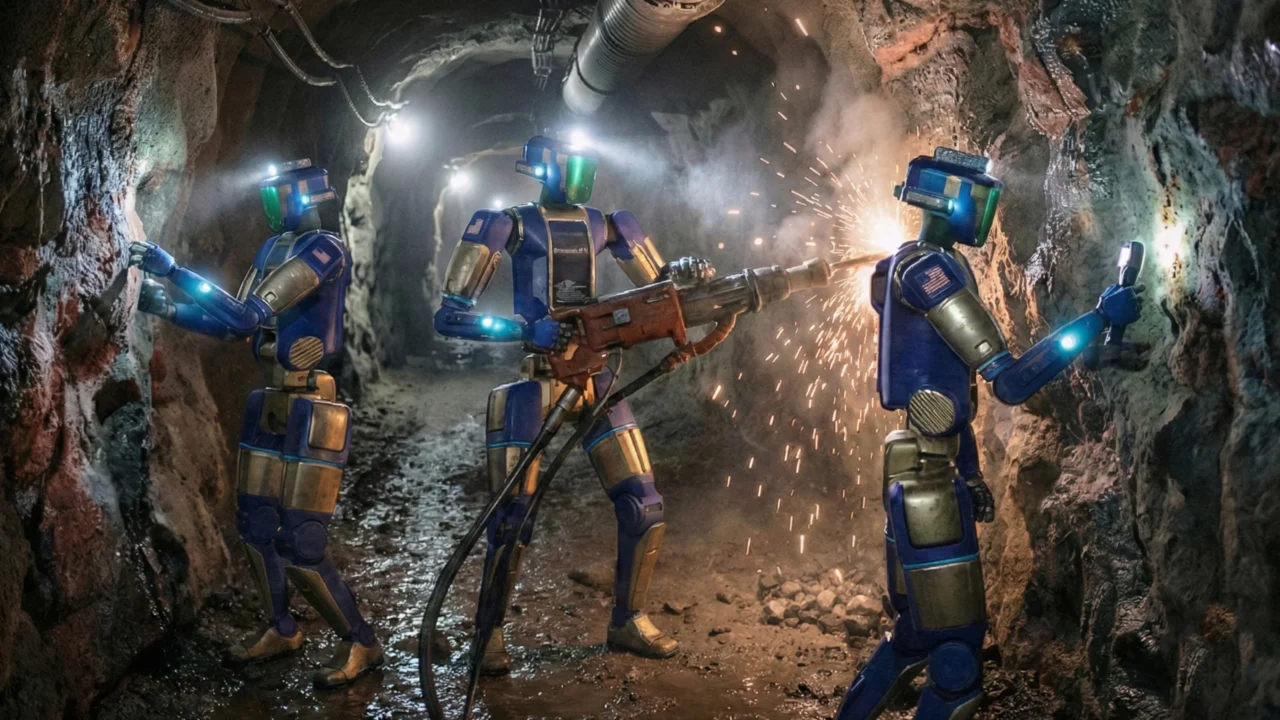
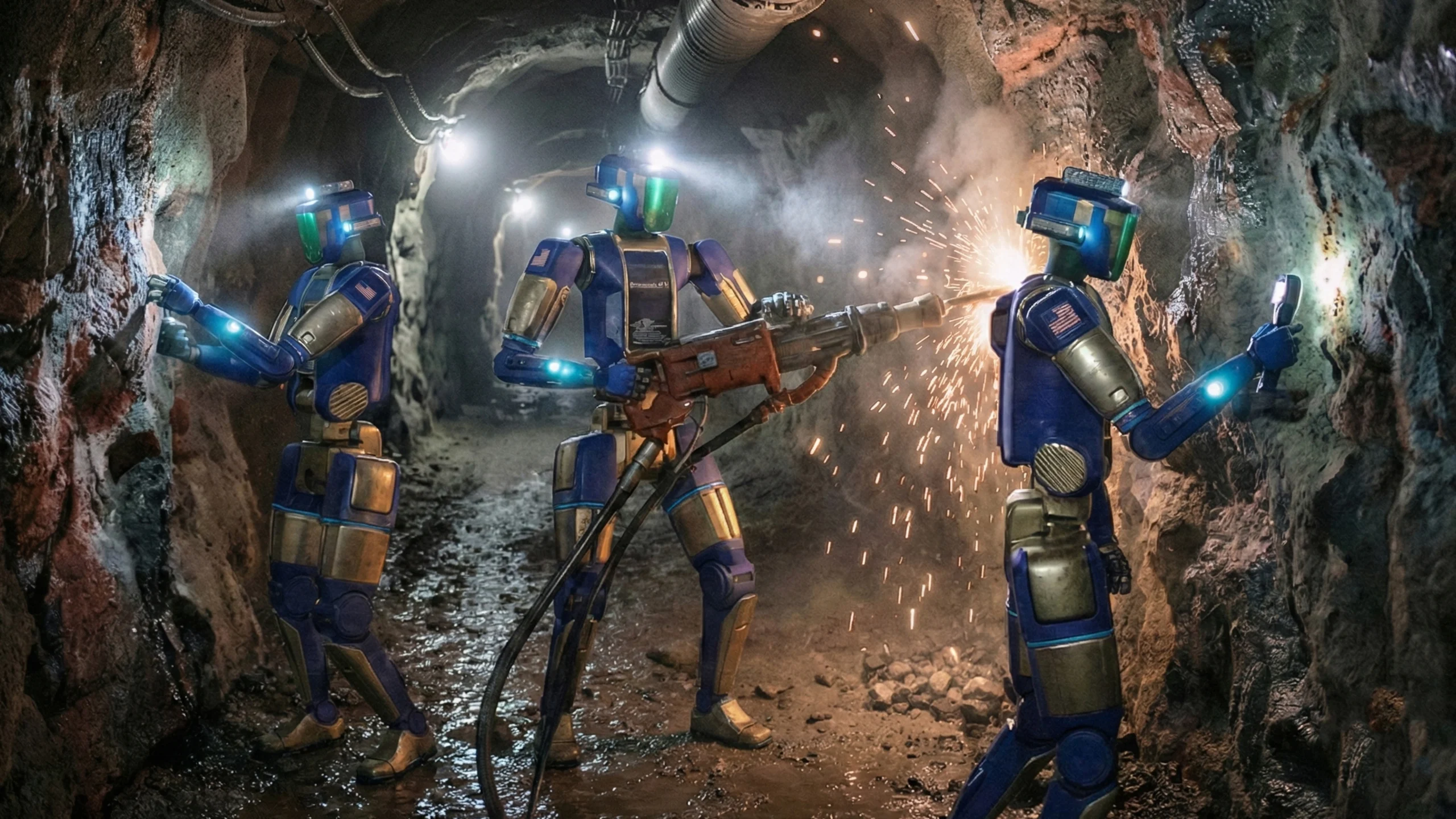
Mines are chaotic, shifting environments. Ramps erode, tunnels flood, equipment vibrates, and visibility drops fast. Most automation struggles here. Fixed path robots and wheeled machines depend on clean, stable conditions; conditions mines rarely offer. Persona AI’s humanoid robots are built for this unpredictability. They navigate debris, balance on uneven ground, and adjust in real time when conditions change. That makes them uniquely suited to tasks traditional automation can’t safely reach.
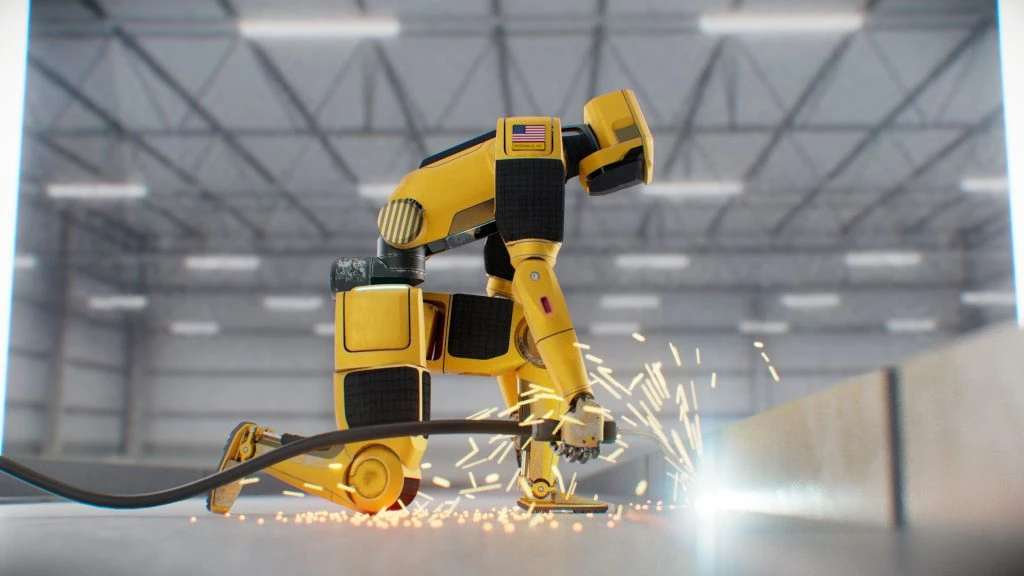
Built to work where people can’t…
Mining remains one of the world’s most physically demanding and dangerous industries. Workers operate in confined spaces, endure heat, vibration, and long shifts, often hundreds or thousands of feet below ground. Even the most experienced crews face fatigue, injury, and exposure risks that limit productivity and safety. Persona AI’s humanoid robots are designed to share that load, taking on the repetitive, high risk, and physically punishing tasks while people focus on skilled oversight and decision making. It’s not about replacing the workforce; it’s about protecting it and extending what humans can achieve underground.
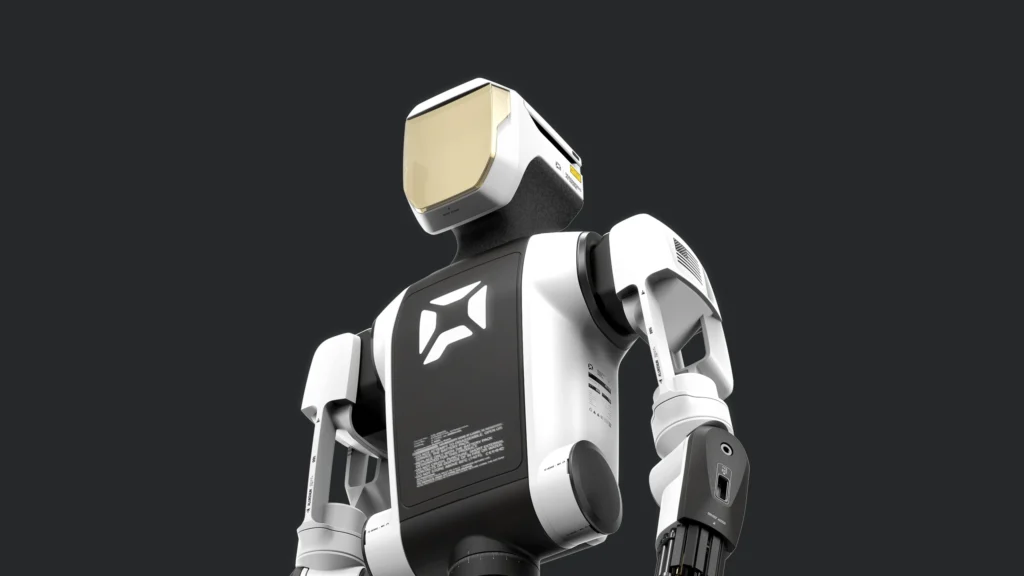
Fitting Into Existing Construction Processes
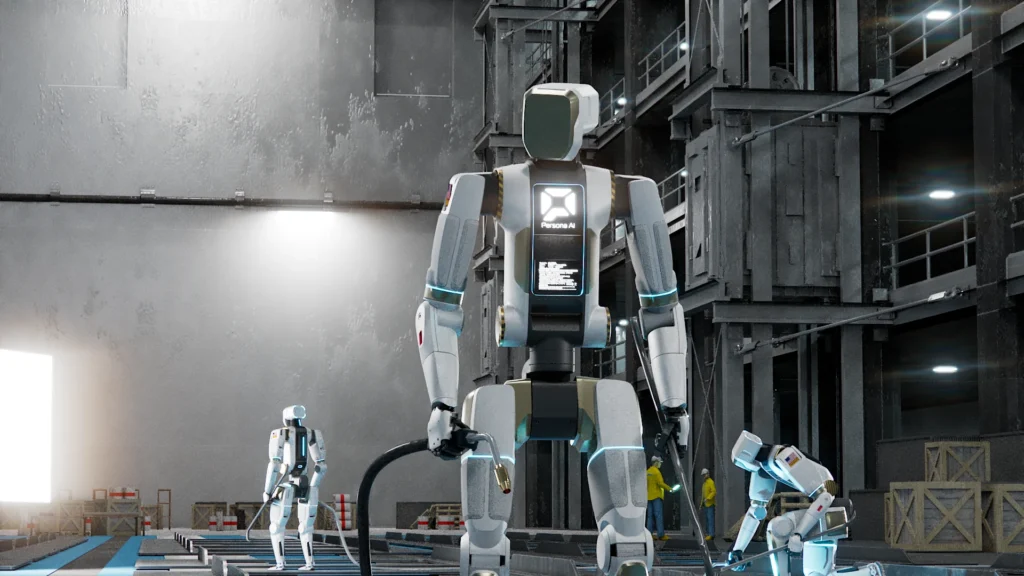
Mining operations run on established routines from development and production to haulage and processing. Persona AI humanoid robots are sized and shaped to operate within those routines without retooling the site. They climb ladders and manways, traverse grated walkways, ride service lifts, and operate human designed controls like levers, valves, and breaker panels. They can be dispatched to inspection routes, post blast checks, or conveyor maintenance the same way a supervisor would assign a crew, fitting into shift schedules, radio protocols, and existing safety procedures.
Built for the Realities of Construction
Global demand for critical minerals is set to surge for decades, with lithium projected to grow roughly fivefold and copper demand up about 30 percent by 2040, yet supply and productivity have struggled to keep pace.
Mining workforces are aging and approaching retirements in key regions, tightening skilled labor just as capital needs and output targets rise.
Persona AI’s humanoids are built for this gap, operating in harsh, shifting conditions to stabilize crews, protect uptime, and help meet the sector’s next wave of demand.
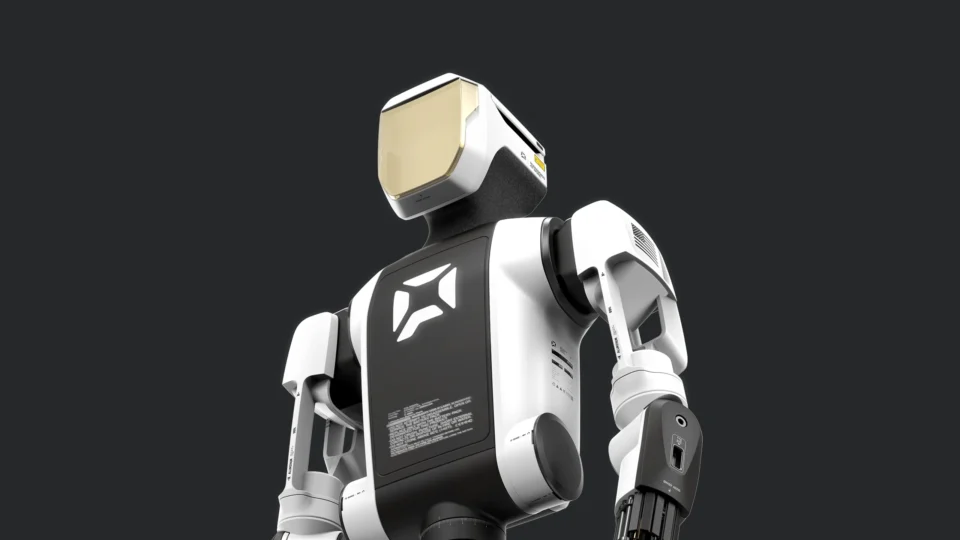
We know how to deploy advanced humanoids in some of the toughest environments on Earth.
Our team has spent decades taking robots beyond the lab, designing systems that have worked in orbit, underwater, and on the surface of other planets. That same experience now drives the next generation of mining robotics. We understand what it takes to engineer machines that can survive heat, dust, vibration, and pressure, and still perform with precision. Persona AI is applying that legacy to a new frontier: creating humanoids built not for research, but for real, industrial work deep underground.

Nicolaus Radford
CEO

Dr. Jerry Pratt
CTO

Jide Akinyode
CTO
Why Humanoid Robotics Will Redefine the Future of Mining Automation
Mining has always relied on people who can adapt to the unknown. As operations push deeper and the demand for critical minerals rises, the challenge isn’t just machinery or logistics; it’s people. Traditional automation has advanced, but most systems still depend on structured environments and predictable motion. Persona AI’s humanoid robots are built differently. They’re designed to move, lift, and make decisions like human workers do, operating safely and intelligently in the ever-changing conditions of real mine sites.
Designed to Work Where People Can’t
Mines are unpredictable by nature. Ground shifts, air quality fluctuates, and access routes change daily. Persona humanoids are engineered for that uncertainty, climbing steep inclines, crouching through narrow passages, and maintaining balance across loose or uneven terrain. They don’t need fixed tracks or reinforced floors; they perform side by side with crews, extending human capability where safety or endurance would otherwise limit progress.
By combining human dexterity with robotic endurance, humanoid systems will allow miners to meet rising demand while improving safety and consistency underground. They take on the repetitive, high-risk, and physically exhausting tasks that slow production and put crews at risk, keeping operations steady and workers out of harm’s way.
Built for Dust, Heat, and Depth
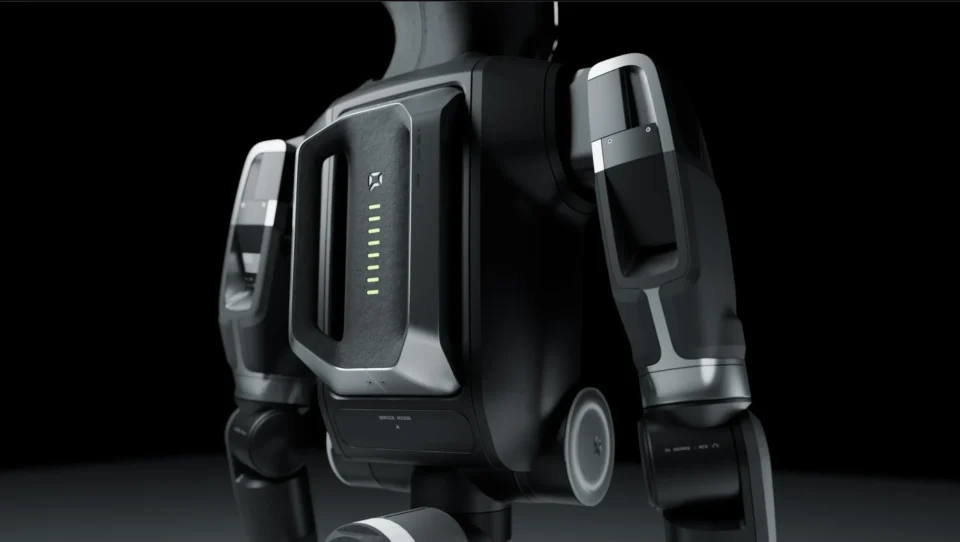
Mining is unforgiving. Dust thickens the air, rock faces radiate heat, and vibration travels through every surface. Persona AI humanoid robots are built for these extremes, with sealed joints, shock-resistant actuators, and adaptive balance that keep them stable and operational in the toughest conditions. Where traditional automation fails, they keep working as reliable and precise humanoids built for the realities of the mine.
The Numbers Behind Mining Robotics and Workforce Innovation
The global mining industry is facing a deep workforce crunch. Seventy one percent of mining executives report that talent shortages are already limiting production targets. In the United States, mining accounts for roughly half a percent of total employment yet contributes more than one percent of GDP, making every productive hour in this sector especially valuable.
Global Mining Shortages
Mining companies across the world report widening gaps in skilled labor, espescially in underground operations, maintenance, and heavy equipment handling. In the U.S., thousands of positions remain unfilled, delaying production and exploration. Persona AI’s humanoid robots are designed to fill those critical roles; not to replace miners, but to stabilize and support a workforce under increasing strain.
$1.8 Trillion
Global Mining Output and Productivity Gap
According to global industry analysis, mining produces over $1.8 trillion in output each year, yet labor productivity has grown by less than 1% annually for two decades. With lithium demand projected to increase 40 fold and copper nearly 30 fold by 2040, even small efficiency gains from humanoid robotics could translate into billions of dollars in additional production and reduced downtime.
$10 – 15 Billion
Global Impact of Mining Injuries and Downtime
Mining remains one of the most hazardous major industries despite steady safety improvements. Each year, injuries, equipment failures, and operational delays cost the sector an estimated $10 to 15 billion in lost productivity and compensation expenses. While fatalities are near historic lows, non fatal incidents and maintenance related shutdowns still account for thousands of lost workdays across global operations.
$2.5 Trillion
Projected Growth of the Global Mining Market
The global mining industry generates over $1.8 trillion annually and is projected to surpass $2.5 trillion by 2030, driven by soaring demand for critical minerals like lithium and copper. Despite this growth, productivity has risen by less than 1% per year, meaning even small efficiency gains from humanoid robotics could unlock billions in additional output and safer, more reliable operations.
Contact