
Humanoid Robots for Precision Pipe Welding
Traditional automation is “blind” to the complexities of a live job site. While robotic arms work well in a clean room factory, high pressure pipe welding happens in the mud, the heat, and the cramped corners of a hull or refinery rack. Persona AI humanoids bring human level mobility to the precision required for X-ray quality welds.
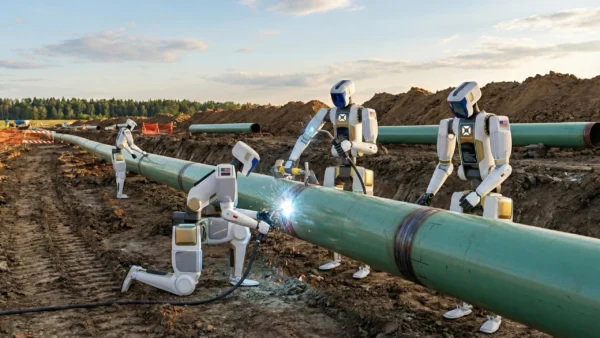
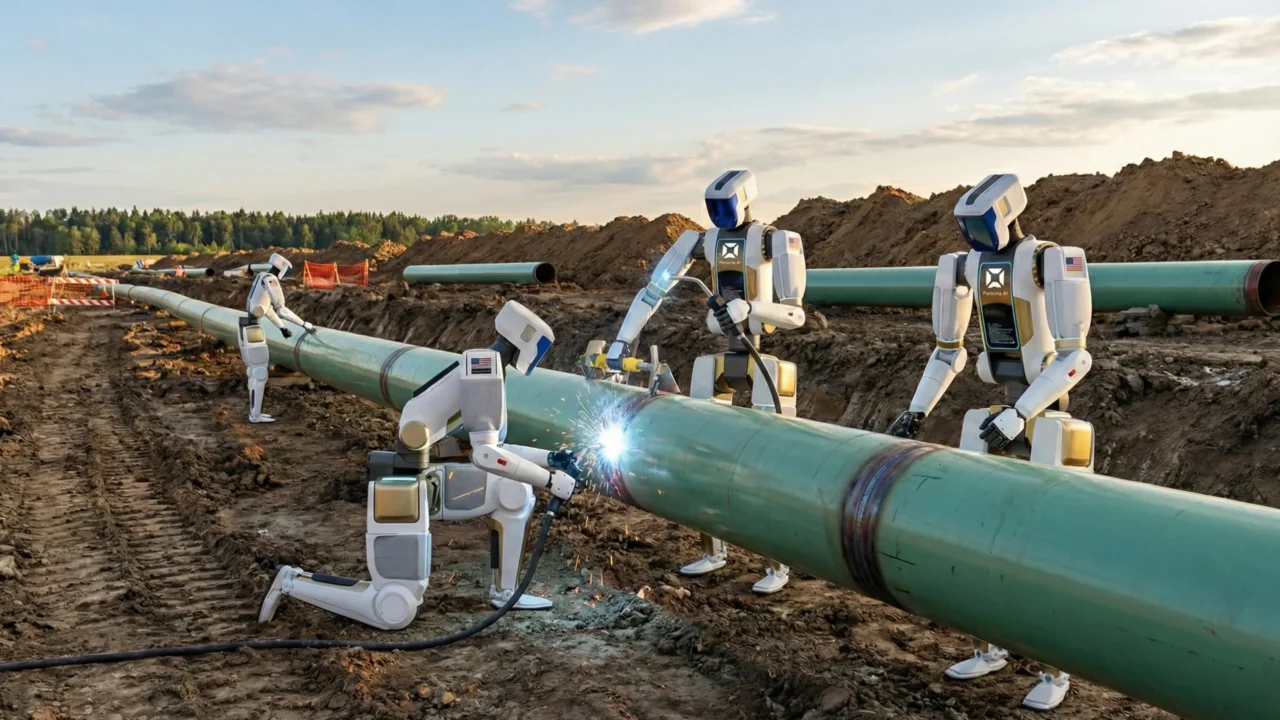
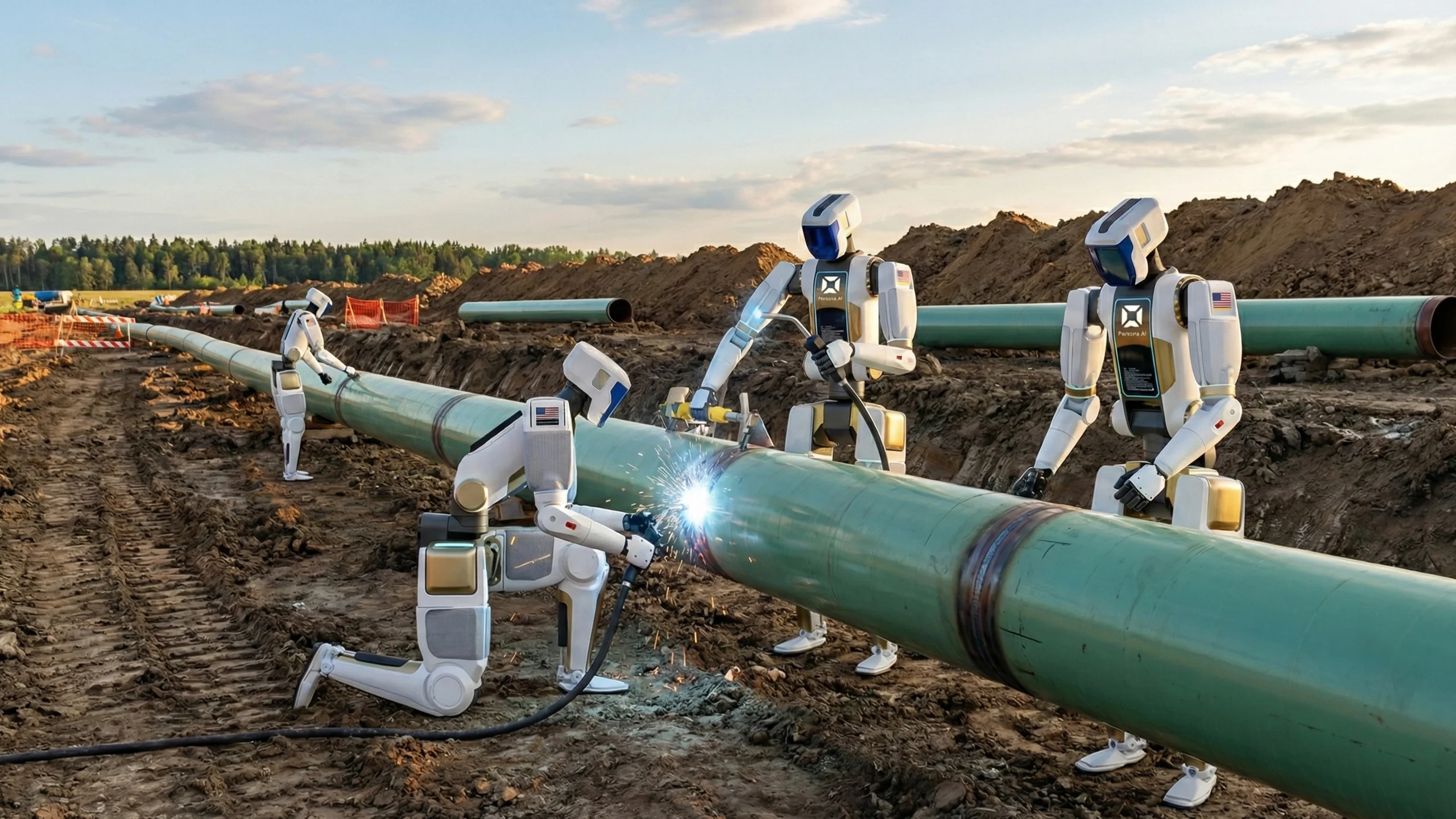
Why Existing Pipe Welding Automation Falls Short
- Failure to Navigate Complex Pipe Racks
- Inability to Manage Real World Fit Up
- High Setup to Weld Time Deficit
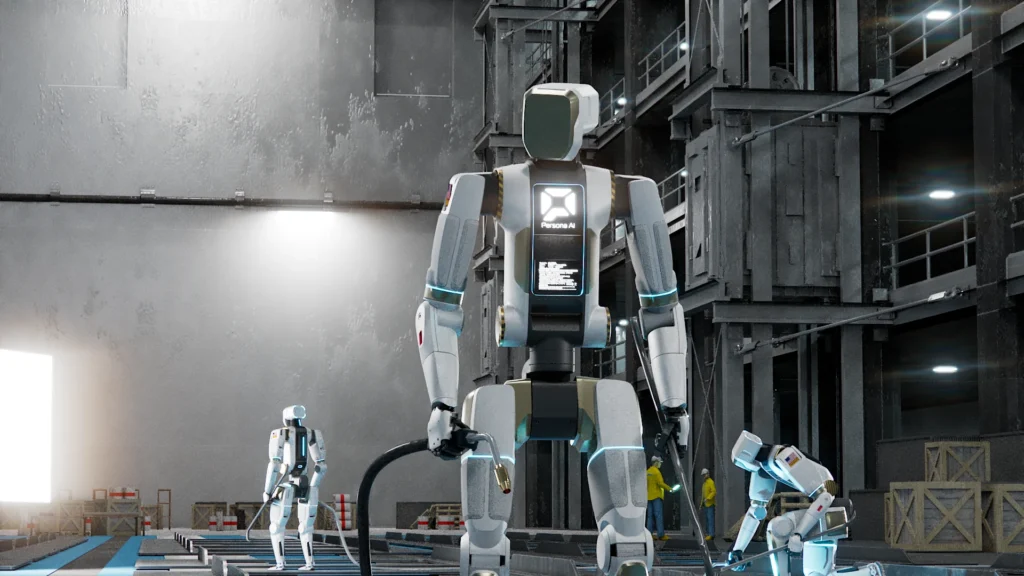
The Mobility and “Reach” Barrier
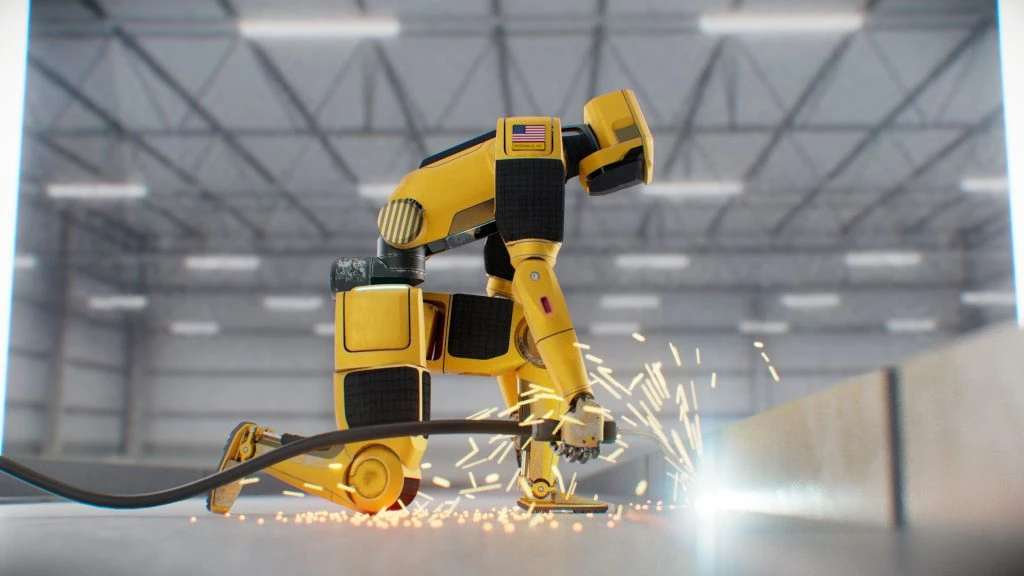
Traditional industrial robots are designed to be bolted to a flat floor and cannot shift their center of gravity. In a dense pipe rack, a welder must “lean into” the work or reach around obstructions to maintain the torch angle. Because traditional robots cannot balance on uneven surfaces or “wrap” around a pipe, they cannot reach 80% of necessary field tie ins.
The Sensory and Feedback Gap
Traditional robotics lack the real time “puddle watch” capability required for high integrity pipe work. A human welder constantly adjusts their travel speed and oscillation based on the behavior of the molten pool. Without advanced computer vision to “see” the weld pool in 6G positions, traditional robotics produce slag inclusions and lack of fusion defects.
Learn More →
The Integration and Rigging Bottleneck
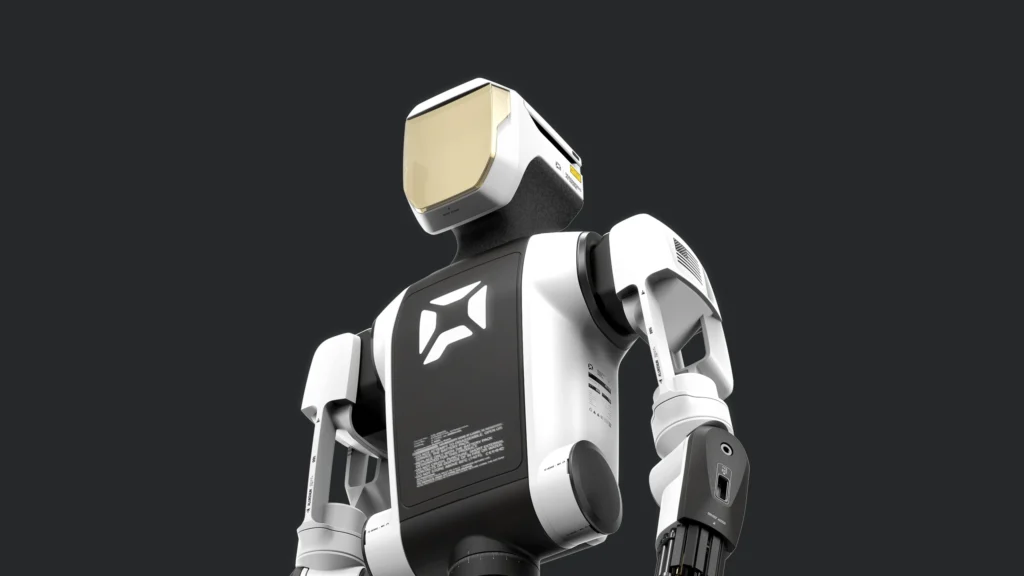
Traditional robotics are not “drop in” labor; they require specialized programmers and a controlled setup. On a build site, where conditions change by the hour, traditional systems become a logistical bottleneck. Persona AI humanoids eliminate this by using the same tools and access points as humans, walking from joint to joint without needing a single inch of track.
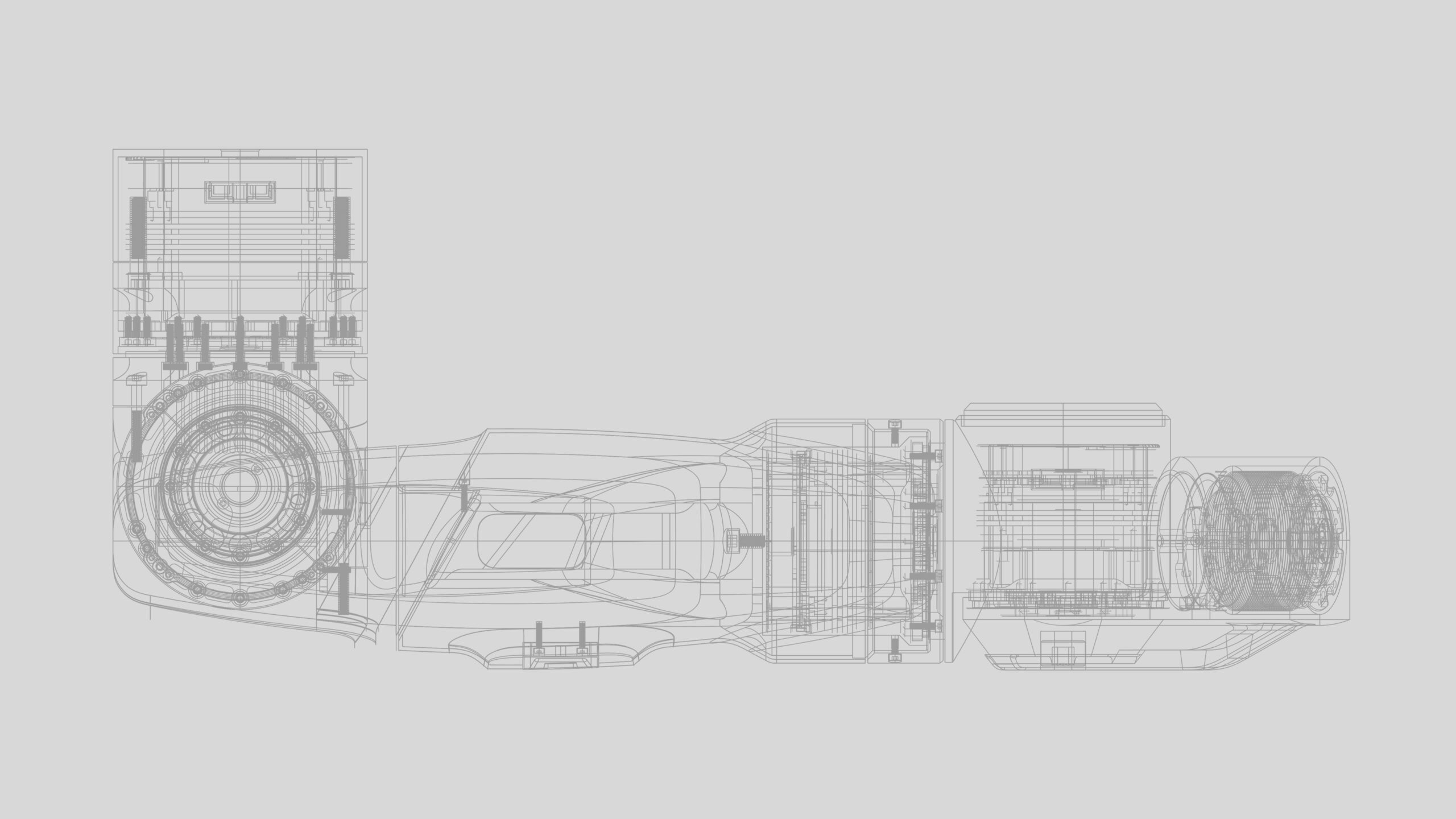
Engineered for Motion, Pressure, and Heat
Oil and gas facilities operate in conditions that push both people and machines to their limits. Offshore platforms shift with the sea, refineries vibrate with constant throughput, and pipelines run through extremes of temperature and corrosion.
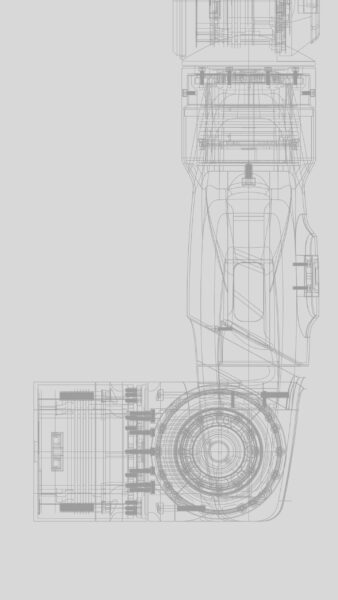
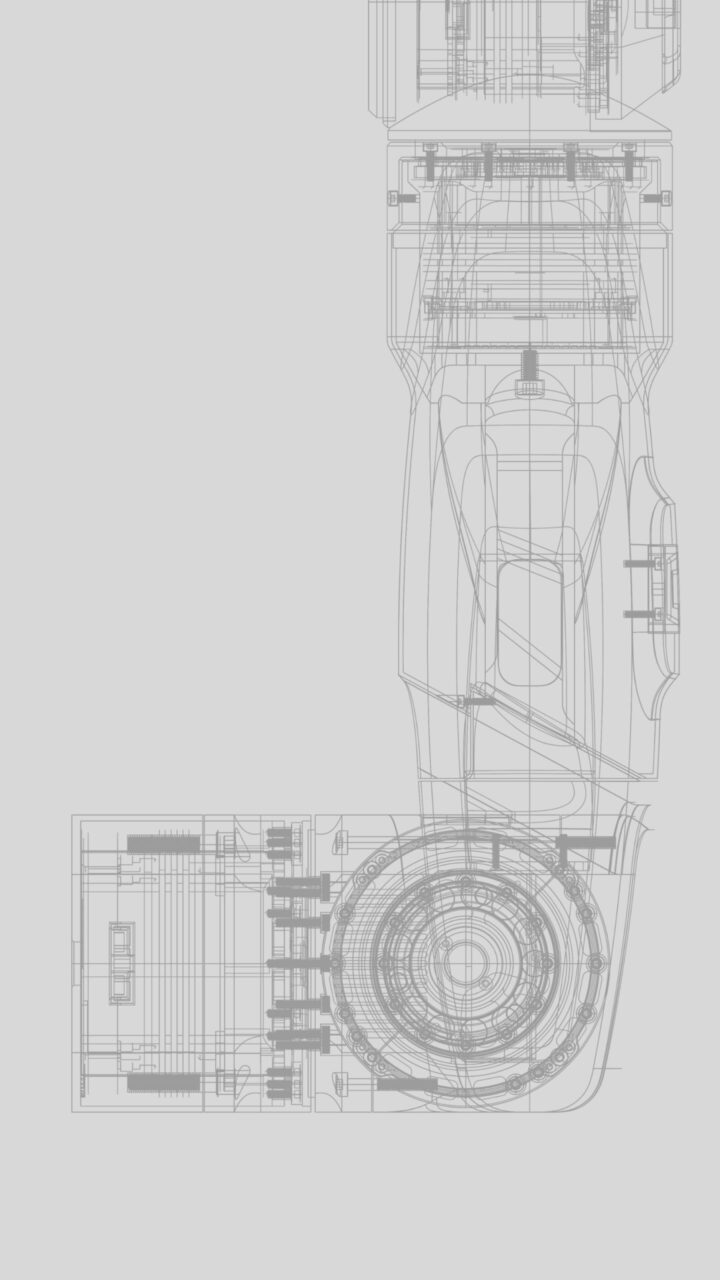
Persona AI humanoid robots are being developed to withstand these forces with sealed joints, corrosion resistant materials, and advanced balance control.
They are being designed to maintain stability on wet decks, resist pressure changes, and operate safely near high temperature equipment; performing reliably in the same environments that make traditional automation fail.
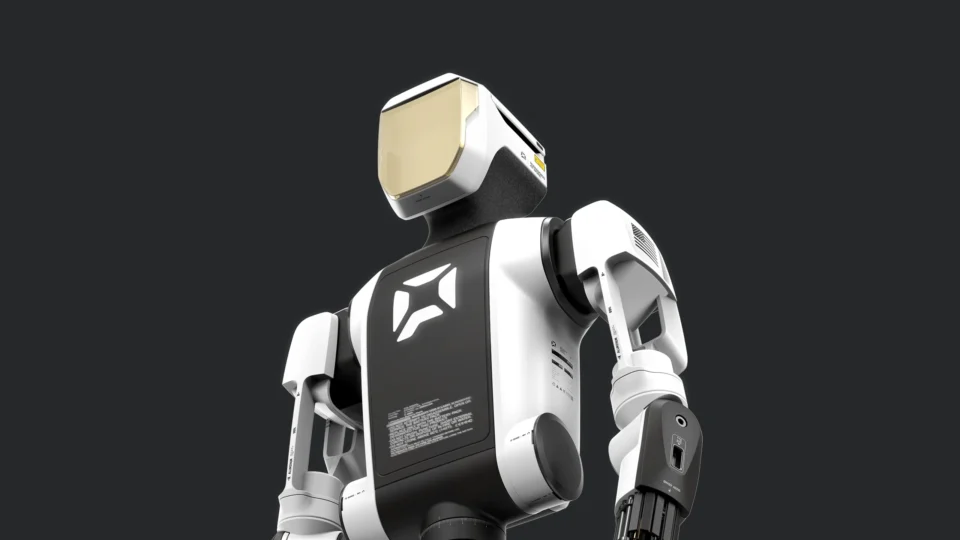
Built for the realities of shipyard pipe shops, refinery tie ins, and offshore modules, they will deliver reliable performance where metallurgical integrity and consistent penetration define success. By maintaining the exact travel speeds and oscillation required for high spec alloys, these humanoids ensure that critical infrastructure meets code the first time, every time.
Experience Where It Matters Most
Persona AI’s team has spent decades advancing robotics that perform in the world’s most demanding environments. From deep sea exploration to aerospace missions, that expertise now drives the company’s work in humanoid robotics. Each system is informed by a history of engineering robots that must balance power, precision, and safety under real operational pressure. This experience positions Persona AI to bring humanoid robotics from controlled testing into the unpredictable world of oil and gas, where reliability, adaptability, and resilience define success.

Nicolaus Radford
CEO

Dr. Jerry Pratt
CTO

Jide Akinyode
CTO
How Humanoid Robotics Will Redefine Global Pipe Fabrication
The pipe welding industry has hit a ceiling with traditional automation. For decades, “innovation” meant bolting a track to a pipe and hoping the fit up was perfect. But the most critical welds—the tie-ins, the overheads, and the cramped bulkhead penetrations—still rely entirely on human contortionists. Persona AI is moving past “mechanized” welding toward autonomous craftsmanship, building humanoids that don’t just follow a path, but understand the puddle.
Ending the “Squeeze and Weld” Liability
Current field fabrication requires human welders to operate in “impossible” geometries: squeezed between hot steam lines or suspended in shipyard double bottoms. Persona AI is developing humanoids to bridge the gap between fixed shop productivity and the chaos of the field. These robots are being engineered to replace the high risk, high strain physical presence required in confined spaces. By combining bipedal mobility with sub millimeter arc control, we are enabling a shift toward Remote Supervision, where a single master welder manages a fleet of humanoids performing 6G certified welds in environments that would be a safety violation for a human team.
Precision Metallurgy in High Stress Environments
Pipe welding is an additive manufacturing process performed under the worst possible conditions. A humanoid doesn’t just hold a torch; it maintains the exact interpass temperature, travel speed, and electrode angle required for X-ray quality results in specialized alloys. Our focus is on the “4D” reality: the Dull repetition of multi pass thick wall joints, the Dirty slag filled ship hulls, the Dangerous toxic fume zones, and the Declining population of certified 6G tradespeople. Persona AI humanoids are being built to execute the “fill and cap” with a consistency that human fatigue simply won’t allow, ensuring the metallurgical integrity of our global energy and naval infrastructure.
Hardened for the “Arc On” Reality
The shipyard and the refinery are graveyards for consumer grade electronics. Between the intense UV radiation of the arc, the high frequency interference of TIG starts, and the constant spray of grinding grit, the environment is actively hostile. Persona AI humanoids are being engineered with Industrial Fortitude: flame retardant skins, liquid cooled actuators to handle 200°C pre heat zones, and hardened EMC shielding. This is not a laboratory robot; it is a heavy duty tool built for the “Arc On” reality, designed to maintain 100% duty cycles where saltwater, pressure, and heat never rest.
The Numbers Behind Robotics and Energy
The global oil and gas industry generates over $5 trillion in annual revenue and supports nearly 12 million direct and indirect jobs worldwide. Yet unplanned downtime, maintenance inefficiency, and safety incidents continue to cost operators billions each year. A single offshore production shutdown can exceed $20 million per day, and more than half of all maintenance related delays stem from human error or access limitations.
Global Efficiency and Safety in Oil and Gas Operations
Humanoid robotics are being developed to address these operational gaps. By assisting with inspection, maintenance, and field operations in high risk or remote areas, Persona AI robots aim to improve uptime, stabilize labor demands, and enhance safety performance. Even modest efficiency gains could translate into billions in retained productivity and cost avoidance across the global energy supply chain.
Learn More →
$5 Trillion
Annual Value of the Global Oil and Gas Industry
The oil and gas sector produces more than $5 trillion in economic value each year, powering over 45 percent of the world’s total energy supply. Despite its scale, the industry continues to face rising maintenance costs, unplanned downtime, and workforce shortages that directly impact production efficiency. Even small performance gains, achieved through advanced automation and humanoid robotics, represent billions of dollars in potential savings and sustained output across global operations.
$20 Million Per Day
Estimated Cost of Offshore Production Downtime
A single day of unplanned downtime on an offshore platform can exceed $20 million in lost output, repairs, and logistical delays. Equipment failures, environmental hazards, and access limitations make rapid response difficult, especially in remote or high risk sites. Persona AI humanoid robots are being developed to help mitigate these losses by performing inspection and maintenance in areas that are unsafe or unreachable during normal operations, supporting faster recovery, reduced exposure, and higher overall equipment reliability.
$12 Million
Global Workforce Supported by Oil and Gas
The oil and gas industry employs and supports more than 12 million people worldwide through direct and indirect roles. However, the sector faces a growing labor shortage as experienced workers retire and fewer new entrants pursue field based careers. Persona AI is developing humanoid robots to help bridge this gap with systems capable of assisting with physical, repetitive, and high risk tasks while enabling skilled technicians to focus on oversight and system management. This balance between human expertise and robotic endurance will be critical to maintaining safe, continuous production as the industry evolves.
Contact