
IEEE Spectrum Features Persona AI Amid FCC Mobile Robot Ruling
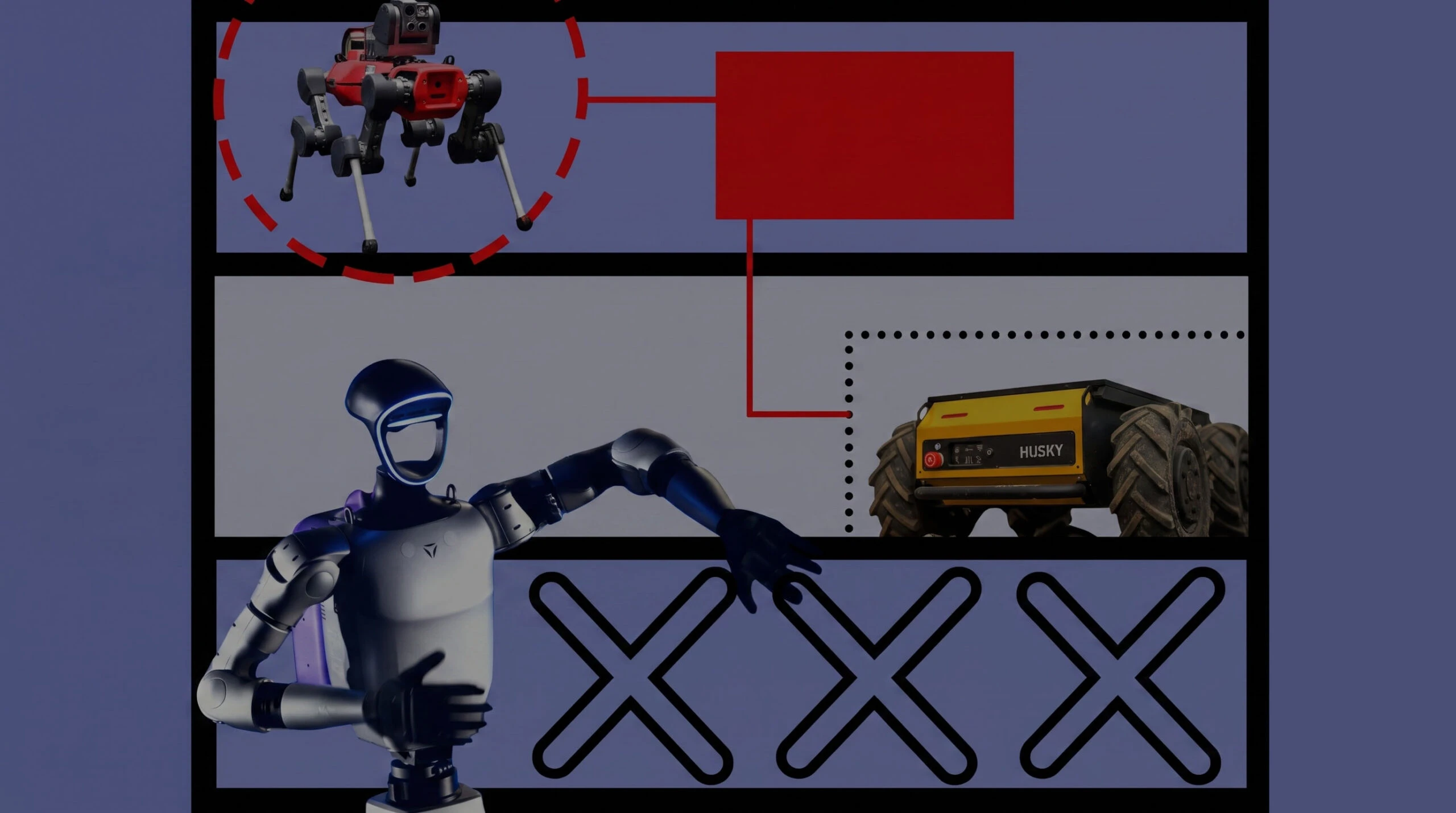
IEEE Spectrum robotics editor Evan Ackerman covered the FCC’s decision to restrict new foreign built mobile robots in a feature for IEEE Spectrum, and asked Persona AI CEO Nic Radford what the ruling means for the enterprise customers actually buying humanoid robots today.
What the FCC ruling actually covers
In July 2026, the FCC added foreign produced advanced robotic devices to its Covered List, the same mechanism it already uses to flag communications equipment that poses a national security risk. The addition covers mobile, ground based robots weighing more than roughly 4.4 pounds that sense their environment and connect wirelessly, a definition broad enough to include humanoids, quadrupeds, and wheeled or tracked platforms.
Drones, connected vehicles, and medical devices already went through separate federal review and are exempt. The restriction only applies to new products going forward. Anything already certified and sold in the US today is unaffected.
Foreign manufacturers are not locked out permanently. They can apply for conditional approval, a process that requires disclosing who owns and controls the company, disclosing where critical components come from, and submitting a real plan with a real deadline to build manufacturing capacity in the United States. Applications are due by January 1, 2028.
Why Spectrum came to Persona AI for comment
Ackerman’s piece rounded up reaction from across the robotics industry. Boston Dynamics welcomed the ruling publicly. ANYbotics, the Swiss quadruped company, pointed to long term reliability, auditability, and serviceability as what enterprise buyers now weigh most heavily, hardware cost alone no longer decides a deal. Ghost Robotics went further, naming the specific risk of a foreign government coordinated robotics strategy rather than ordinary market competition.
Persona AI’s answer landed on the same theme from a different angle.
What Nic Radford told IEEE Spectrum
Nic Radford, Persona AI’s CEO, told Spectrum that American customers need to know they can audit the technology, get support quickly, and keep the system operating without depending on a fragile overseas supply chain. His point was straightforward. Serious buyers were already asking these questions before the ruling. The ruling just made the answer mandatory instead of optional.