

Humanoid Robots In Construction
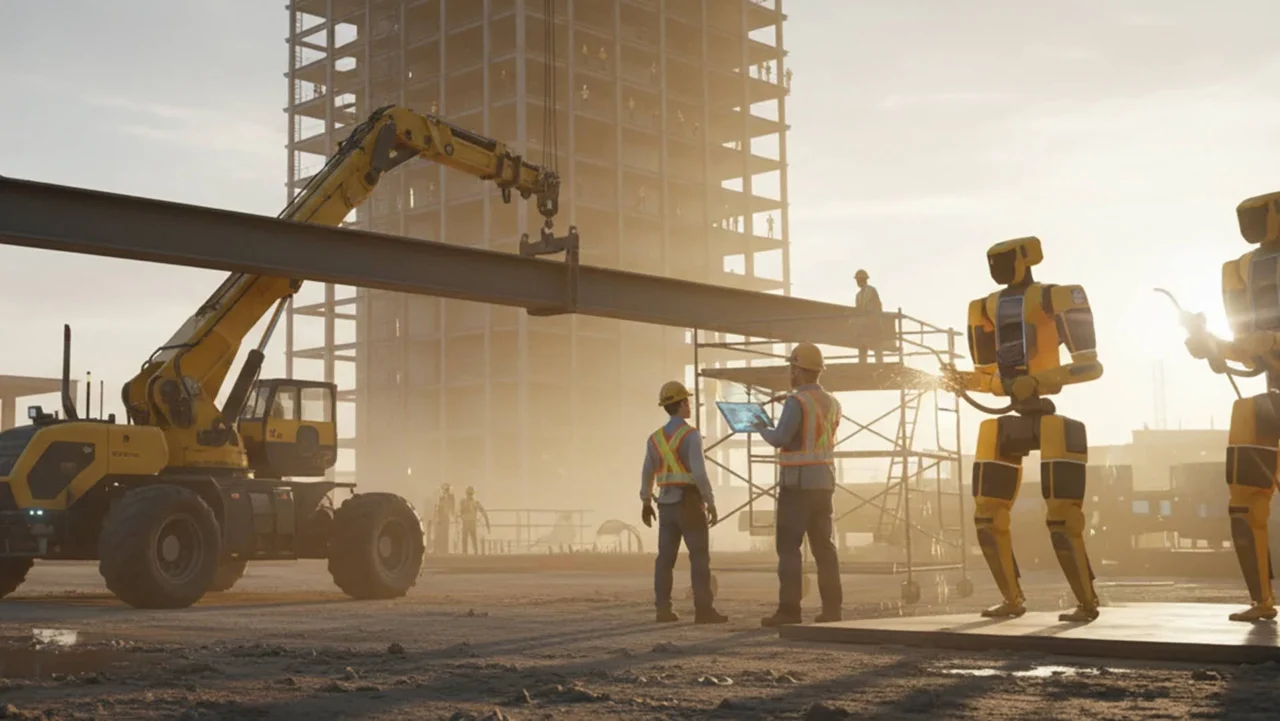
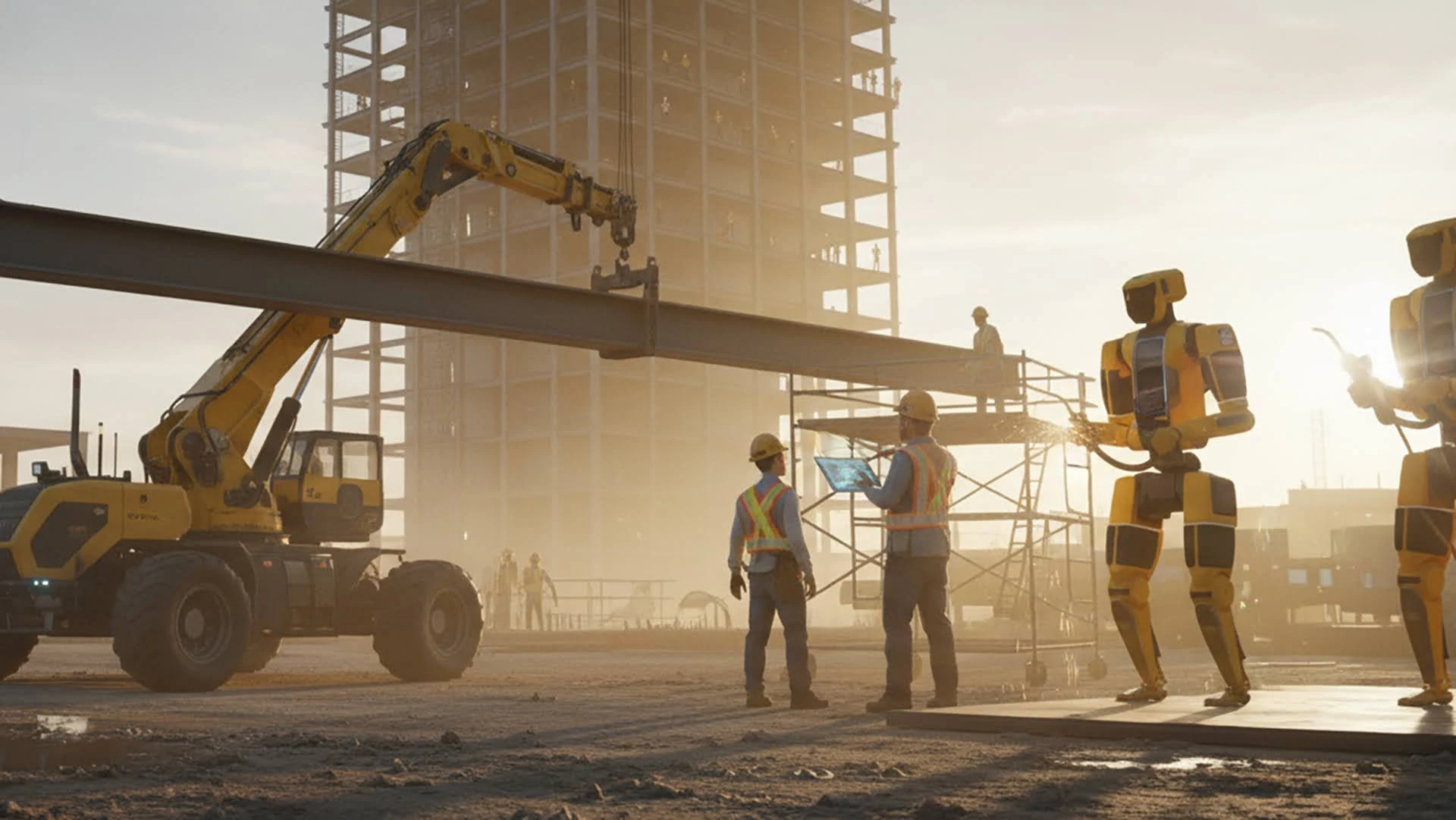
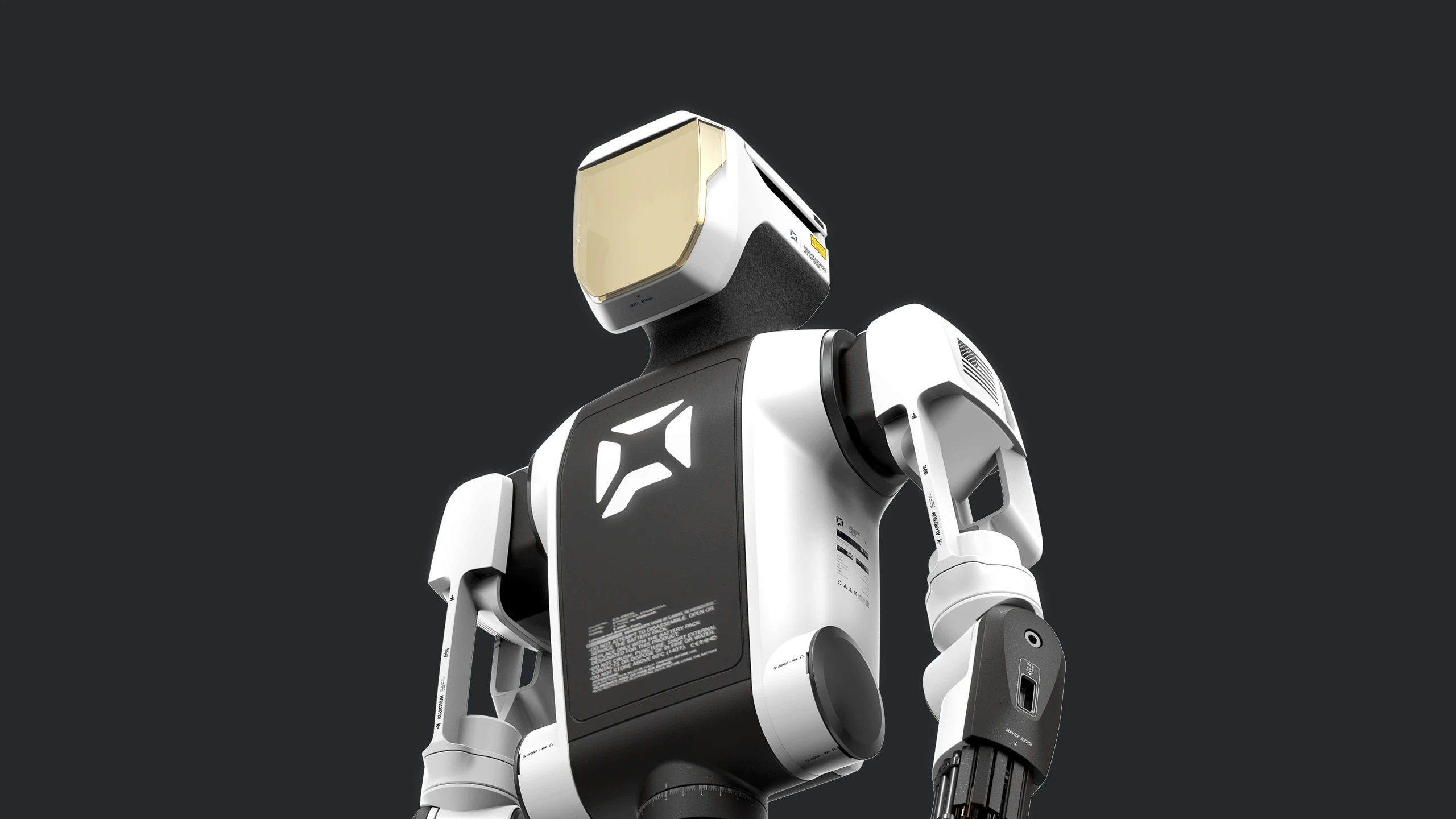
Humanoid robots are beginning to change the way construction projects are built. At Persona AI, we’re developing construction machines that replace human labor for demanding tasks like welding, lifting heavy materials, and handling tough physical work in unpredictable environments. Our humanoid robots in construction aren’t factory machines; each humanoid construction robot is built to move, adapt, and work safely alongside people on active job sites.
The Next Step For Humanoid Robots In Construction
- The Limits of Fixed Automation in Real World Construction
- Physical Constraints of Human Labor in Construction
- Integrating Humanoid Robots Into Construction Workflows
Why Traditional Robotics Struggle on Construction Sites
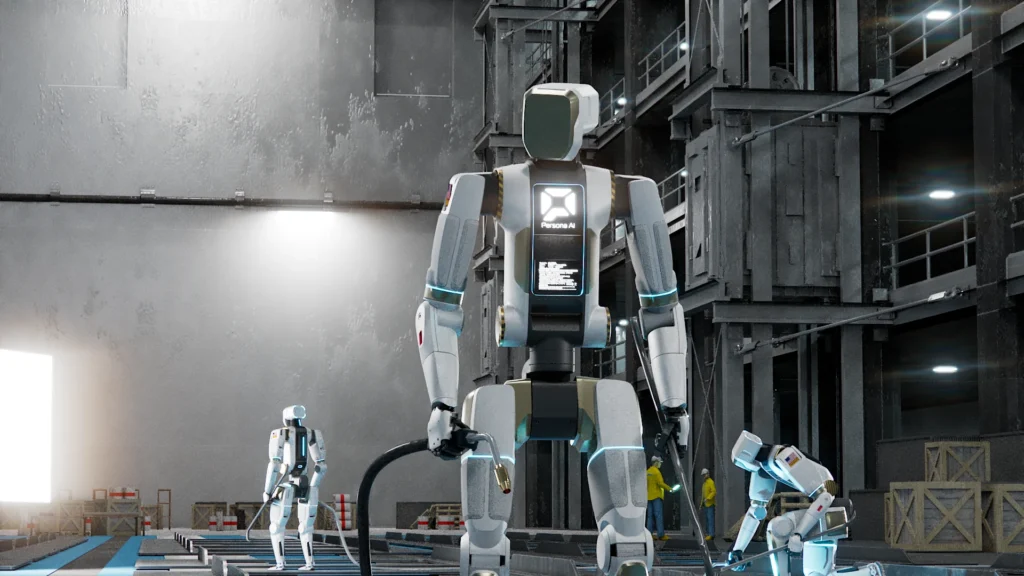
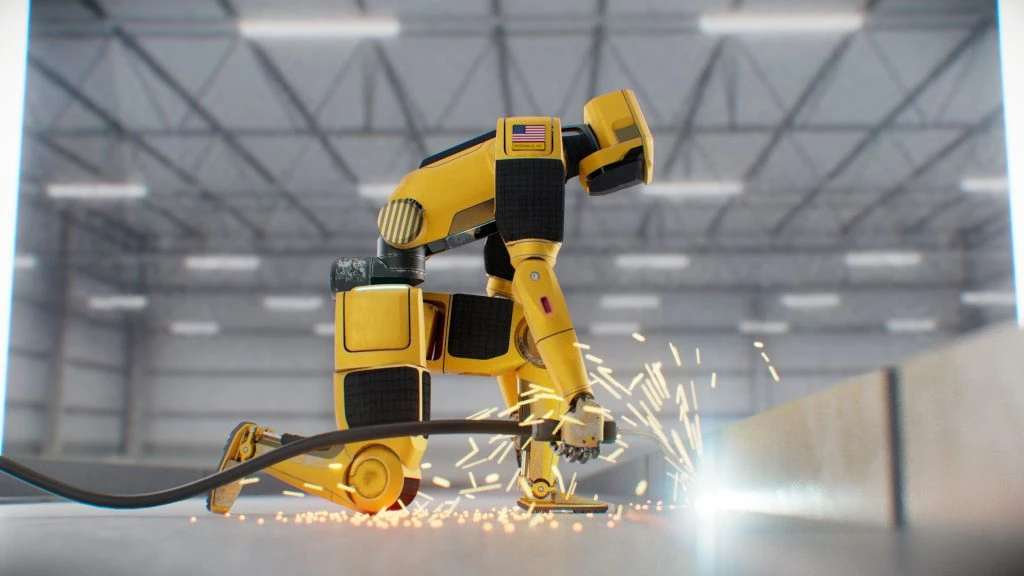
Construction sites change constantly. Weather shifts, terrain is uneven, and layouts evolve throughout the day. Fixed or wheeled robots depend on stable, repeatable environments, making them poorly suited for active build sites. Factory automation works because conditions are controlled; construction rarely is. Persona AI’s humanoid construction robots are construction machines that replace human labor by moving like people: stepping over debris, maintaining balance on scaffolding, and adjusting in real time.
Exoskeletons and Assistive Machines
Exoskeletons and assistive machines have helped reduce strain for construction workers, but they still depend on human endurance and availability. On demanding job sites, this limits how much physical work can be sustained. Persona AI’s humanoid construction robot builds on this idea by taking on heavy lifting, welding, and repetitive labor tasks directly. These robots operate consistently on construction sites, allowing human crews to focus on supervision, safety, and precision work while reducing exposure to physical risk.
Fitting Into Existing Construction Processes
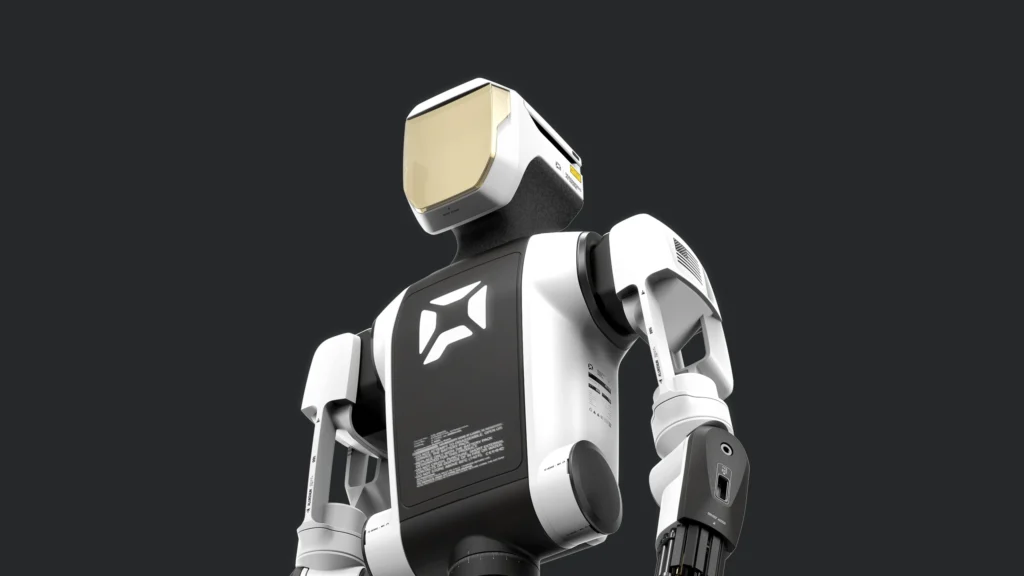
Many traditional robotics systems require expensive workflow redesigns before they can be deployed on a construction site. That requirement alone limits adoption. Persona AI’s humanoid construction robot is designed to integrate into existing workflows without disrupting how teams already operate. It uses standard tools, navigates active job sites, and works alongside crews in real-world conditions. This approach allows deployment without new infrastructure or extensive retraining, creating a safer and more efficient way to support construction work.
Built for the Realities of Construction
Construction faces a growing labor shortage that traditional automation has not solved. Across the industry, experienced tradespeople are leaving faster than they can be replaced, driven by physical demands, safety risks, and inconsistent working conditions. Large scale infrastructure and commercial construction projects are increasingly delayed not by materials, but by a lack of available skilled labor.
In the United States, a significant portion of the construction workforce is approaching retirement age, while fewer younger workers are entering physically demanding trades. This imbalance is already affecting job site productivity, timelines, and safety. Persona AI’s humanoid construction robot is being developed to operate directly on active job sites, supporting crews with heavy labor, repetitive tasks, and hazardous work where human availability and endurance are increasingly limited.
We know how to deploy advanced humanoids in some of the toughest environments on Earth.
Our team has led some of the world’s most notable robotics projects. Collectively, we have spent decades moving robots out of controlled lab environments and into demanding real world settings, including space, deep ocean operations, and industrial worksites. That experience informs how we are building humanoid robots for construction today, and it continues to shape how we approach complex, safety critical environments.
-

-
Nicolaus Radford
CEO
-

-
Dr. Jerry Pratt
CTO
-

-
Jide Akinyode
CTO
Why Humanoid Robots Will Outperform Traditional Construction Automation
Construction has always been hands on. But as projects grow larger and timelines shrink, the industry’s biggest challenge isn’t materials or machinery; it’s labor. Traditional automation has made progress, but most machines still rely on fixed paths or controlled conditions. Persona AI’s humanoid robots are different: they’re built to move, lift, and think like workers do, fitting naturally into how modern construction actually happens.
Designed to Work Where People Work
Construction sites are unpredictable. Plans shift, weather changes, and materials arrive in all shapes and sizes. Persona humanoids are made to handle that reality by climbing, crouching, balancing, and adapting to what’s in front of them. They don’t need clean floors or fixed stations; they work right where the crew does.
By blending human level dexterity with the endurance of automation, humanoid robots will let builders keep pace with demand while improving safety and precision. They’ll handle the repetitive, high-risk, and physically demanding jobs that slow projects down, keeping schedules on track and people out of harm’s way.
Built for Dust, Height, and Heat
Construction is rough. Dust in the air, vibrations from heavy equipment, the heat of summer steel, or the chill of unfinished concrete. Persona’s humanoid robots are engineered for these conditions, with sealed systems, adaptive balance, and shock resistant joints that make them reliable where traditional robotics would seize or fail.
The Numbers Behind Robotic Humanoids and Construction
The construction sector represents one of the largest untapped markets for robotics. It generates over $12 trillion globally each year, yet still relies heavily on manual labor. Productivity growth has remained nearly flat for two decades, while project delays and cost overruns have risen across every major region. Humanoid robots offer a path to close that gap – improving output, safety, and labor stability at scale.
Global Construction Labor Shortages
The World Economic Forum reports a shortfall of more than 7.5 million skilled workers across the global construction industry. In the U.S. alone, more than half a million positions remain unfilled, delaying infrastructure and housing projects. Persona’s humanoid robots are designed to step into these roles, not to replace workers, but to stabilize a workforce under growing strain.
$177 Billion
Annual Cost of U.S. Construction Injuries and Illnesses
According to the Center for Construction Research and Training (CPWR), workplace injuries and illnesses cost the construction industry over $177 billion per year in medical expenses, lost productivity, and compensation claims. Even small percentage reductions translate into multi billion dollar savings.
$1.29 Trillion
Annual Value of U.S. Construction Output (2024)
The U.S. Census Bureau reports total construction spending exceeded $1.29 trillion in 2024, with commercial and infrastructure projects leading growth. Even a 1% productivity gain from humanoid robotics represents more than $12 billion in potential annual efficiency savings.
$97 Billion
Lost Annually to Labor Inefficiency and Rework
Studies by McKinsey & Company and PlanGrid show the U.S. construction sector loses around $97 billion every year due to delays, rework, and poor coordination, primarily linked to labor shortages and manual processes. Deploying humanoid robots could recover a measurable portion of that loss.
Join the Future of Industrial Robotics
Persona AI is advancing the next generation of humanoid robots for construction, energy, construction, and defense. We’re looking for exceptional engineers, builders, and innovators who will help shape how humanoids perform skilled industrial work across the world.
If you have experience in robotics, mechanical design, embedded systems, or industrial operations, or if you’re passionate about redefining what machines can do; we’d like to hear from you.

Persona AI’s vision is to be the labor platform for skilled industrial work. Whether the worksite is a shipyard or a construction zone, Persona AI aims to offer unsurpassed and unparalleled capabilities that will empower human safety.
We are a robotics company. Not an identity verification company.